
Health insurance marketing in 2026 looks very different from just a few years ago. Consumer behaviour has shifted, data privacy and compliance requirements are stricter, and acquisition costs continue to rise. The old playbook of blasting ads and hoping for calls simply doesn’t cut it anymore.
In this landscape, the real question isn’t “How many leads can we get?” but “Which lead sources actually generate conversions and revenue, not just contact lists?” In this article, we break down what’s working, what’s dying out, and where savvy health insurance marketers should invest their time and budget this year.
Search Traffic: Still One of the Strongest Sources
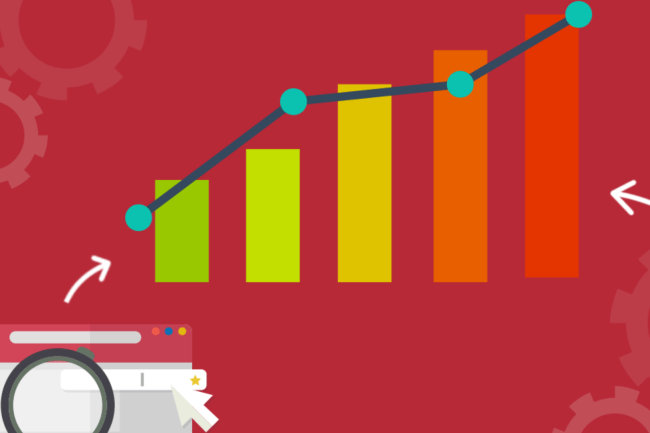
Effective multi-touch attribution is essential for understanding the true impact of various channels, as discussed by Book Your Data, which explains how tracking touchpoints can improve the accuracy of health insurance lead generation
When someone looks for health insurance online, they’re often actively seeking a solution, not just casually browsing. That’s why Google Search Ads and organic search strategies remain among the most reliable sources for health insurance leads in 2026.
- Paid Search (PPC): Paid search campaigns that target high‑intent keywords like “affordable health insurance 2026”, “ACA enrollment help”, or “family health plans near me” put your offer in front of people ready to inquire or buy.
When paired with optimized landing pages and strong call‑to‑action messaging, these leads typically convert at a higher rate than many other paid channels.
- SEO + Organic Leads: Ranking organically for relevant search terms helps you attract leads without paying per click. While SEO takes longer to scale, its long‑term ROI often surpasses paid campaigns once you start ranking, especially for content that answers real questions prospects are searching for (e.g., “how health insurance works in 2026”).
The bottom line? Search traffic, both paid and organic, remains a top‑tier lead source when campaigns are well‑structured, compliant with ad policies, and targeted to intent.
Lead Marketplaces: Fast, But Quality Varies
Online lead marketplaces platforms that sell health insurance leads to agents still have a place in the 2026 acquisition mix, but they’re not a silver bullet.
- Real‑Time Exclusive Leads: Some marketplaces deliver real‑time, exclusive leads that are actively shopping for coverage right now. These are often higher quality than aged, shared leads because the prospect is in a buying mindset.
- Shared or Aged Leads: These are typically cheaper but also less likely to convert. Shared leads, where multiple agents receive the same lead, can lead to price wars and poor ROI. Aged leads, meanwhile, might already have been contacted multiple times.
Best practice in 2026? Treat lead marketplaces as a supplementary source, not your foundation. They can help accelerate pipeline growth, but you should have strong CRM and follow‑up processes in place to convert these leads quickly and efficiently.
Social Media Lead Ads: Effective With the Right Targeting
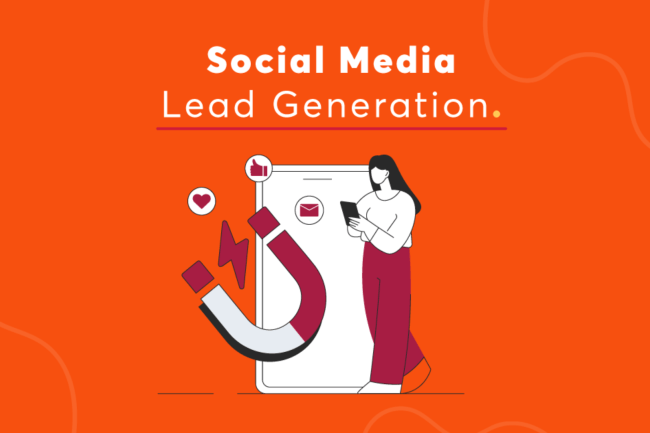
Social platforms are no longer just for brand awareness when used correctly, they generate hands‑raised prospects with conversion intent.
Platforms like Facebook and Instagram have improved their lead ad formats, allowing users to express interest without leaving the app. Because these ads can auto‑populate user info and be optimized for intent‑based conversions, they’ve become effective at generating quality health insurance leads.
However, social ads only work if:
- Targeting is precise (e.g., age, life stage, life events, location)
- Landing pages align with ad messaging
- You track and optimize in real time using performance data
Unlike generic brand campaigns, social lead ads need constant optimization; otherwise, they can generate leads that never convert.
Referrals and Community Channels: A Goldmine Often Overlooked
While digital channels are critical, one of the most powerful lead sources in 2026 is still human connection, specifically referral‑based channels.
Word‑of‑mouth and referral programs work because they come with built‑in trust. People buy insurance from people they trust, not from ads they scroll past. As a result, referral leads typically:
- Have higher conversion rates
- Cost less to acquire
- Stay active customers longer
Effective referral strategies include:
- Formal referral programs with incentives
- Community groups and partnerships (e.g., fitness clubs, HR networks)
- Client testimonial campaigns
Even in an era of digital automation, human connection remains one of the most consistent lead sources, especially for complex products like health insurance.
Email Marketing & Nurture Sequences: Amplifying Every Source

Email isn’t a primary source of leads on its own but in 2026, it’s one of the most effective ways to convert leads generated from other channels.
Often, prospects start their journey early, research extensively, then only engage months later. Without a system to nurture them in between, you lose revenue even if you successfully attract someone initially.
In modern health insurance funnels, email sequences help:
- Educate prospects about plans and deadlines
- Re‑engage leads who didn’t convert immediately
- Segment audiences based on intent and behavior
This means even prospects from paid ads, search, or social ads benefit from nurture before they become customers. Email becomes the engine that turns interest into action, which is why top agencies prioritize automation and personalization in their funnels.
Google Organic Voice + AI Search: Rising but Still Early
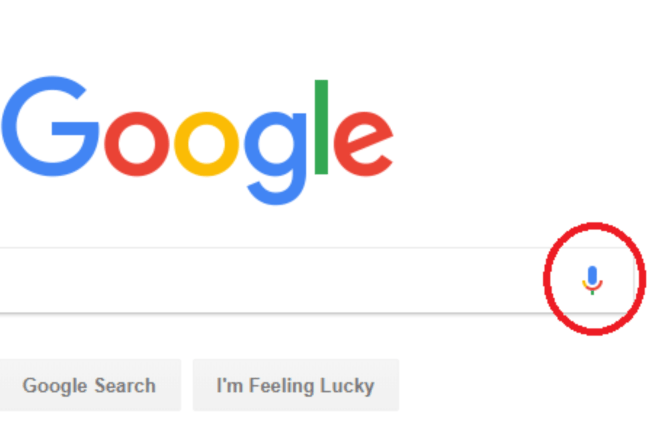
“AI Search” where users ask questions to generative engines and AI tools, is rapidly becoming part of how people research health insurance. While not a mature lead source yet, it’s evolving quickly.
People now ask AI tools complex insurance questions before they go to search engines. This trend suggests a future where AI‑optimized content will outperform traditional SEO in areas like:
- Plan comparisons
- Eligibility questions
- Personalized policy suggestions
In 2026, this means content strategy must start incorporating AI intent signals, optimizing content for how people ask questions, not just which keywords they use.
Networking and Partnerships: Still Valuable Offline
Digital marketing gets a lot of attention, but partnerships remain a crucial source of high‑quality, high‑trust leads, especially for group health insurance and B2B sales.
Examples include:
- Employer partnerships and HR referral programs
- Broker collaborations
- Professional associations and communities
These channels are slower to scale digitally, but they consistently deliver leads that are closer to purchase, often because decision‑makers in businesses are ready to buy when they talk to you.
In a world obsessed with digital metrics, this human network source is often undervalued but highly effective.
Sources That Are Losing Effectiveness in 2026
While many channels can still generate leads, several sources are becoming less reliable or cost‑effective:
Cold Telemarketing and Untargeted Lists
Broad cold calling from purchased lists used to be common. But in 2026, compliance rules (like TCPA in the U.S. and consent laws worldwide) make it expensive and risky to use these tactics.
Not only are these lists often low‑quality, but legal and reputational risks have risen.
Untargeted Display Ads
Generic display advertising (e.g., banner ads on broad networks) rarely produces leads with buying intent for something as complex as health insurance. These channels can build awareness, but they don’t typically drive conversions at scale anymore.
Low‑Quality Lead Vendors
Some lead vendors sell volume without quality filters. These leads may have contact info, but not intent, which means agents spend more on follow‑up than the lead ever delivers in revenue. In 2026, quality always beats quantity.
Putting It All Together: A Balanced Lead Engine
If you want a resilient, high‑yield lead strategy in 2026, the winning formula is not about one magic source, it’s about a balanced lead engine that includes:
- Search (paid + organic)
- Social lead ads
- Referral programs
- Email nurture sequences
- Select lead marketplace buys
- Partnerships and network channels
- AI‑optimized content and conversational search insights
By combining these, you diversify risk, improve lead quality, and ultimately build a predictable pipeline that fuels growth.
Final Thoughts: What Works in 2026
Lead generation for health insurance in 2026 is no longer about volume alone. It’s about intent, quality, compliance, and strategic follow‑up. Agencies and marketers who understand where consumers are in their journey and meet them there with relevant messaging will win.
The real winners in 2026 are those who:
- Treat search and SEO as a foundation
- Use paid ads where intent is strong
- Invest in human‑centric channels like referrals and partnerships
- Nurture leads through automation
- Leverage the evolving power of AI and content
Today’s lead landscape rewards strategy anchored in data and human understanding. If you want to thrive in health insurance growth, the smartest lead sources are the ones that bring you closer to buyers ready to make decisions, not just contact lists.