

If you’re running ads, generating leads, and still struggling to close policies, the problem usually isn’t volume.
It’s a qualification.
In private health insurance, not every lead is ready to buy. Some are researching. Some are comparing. Some just clicked out of curiosity. Without a structured way to filter, prioritize, and guide these prospects, your sales team ends up chasing noise instead of closing deals.
That’s why high-performing agencies don’t just generate leads. They build lead qualification frameworks.
Let’s break down exactly how to build one that works consistently.
Why Lead Qualification Matters More Than Lead Generation

Most insurance agents focus heavily on generating leads. But here’s the reality:
Not all leads are equal.
Modern insurance buyers research online, compare multiple options, and approach agents only after forming initial opinions.
This means your funnel is filled with prospects at different stages of readiness.
Without qualification:
- Sales teams waste time on low-intent leads
- Conversion rates drop
- Customer acquisition costs rise
- Pipeline becomes unpredictable
A strong qualification framework ensures your team focuses on the right conversations, not just more conversations.
What Is a Lead Qualification Framework?
A lead qualification framework is a structured system used to evaluate whether a prospect is a good fit and how ready they are to buy.
It answers three critical questions:
- Fit – Is this the right type of customer?
- Intent – Are they actively looking for insurance?
- Timing – Are they ready to make a decision now?
Modern sales systems combine customer profile data with behavioral signals to identify high-quality prospects more effectively.
In simple terms, qualification helps you decide:
Should we prioritize this lead, nurture them, or disqualify them?
Step 1: Define Your Ideal Customer Profile (ICP)
Everything starts here.
Before you qualify leads, you need to define what a qualified lead actually looks like.
For health insurance agencies, your Ideal Customer Profile might include:
- Age group (e.g., 25–55)
- Employment type (self-employed, freelancers, SMB owners)
- Geographic eligibility
- Coverage needs (family, individual, business)
- Budget range
Top-performing insurance teams build detailed profiles that go beyond basic demographics and include intent signals and behavioral data.
Interactive check:
Can your team clearly answer:
- Who is NOT a good lead for us?
- Which leads convert fastest?
- Which leads never convert?
If not, your qualification process is already weak.
Step 2: Capture the Right Data at the Right Time
Most agencies make a critical mistake here.
They either:
- Ask too many questions upfront → leads drop off
- Ask too few questions → sales team struggles later
The goal is balance.
Your forms and intake process should capture:
- Basic contact info
- Coverage type needed
- Employment status
- Urgency (immediate vs exploring)
Form-based lead capture is one of the most effective ways to both generate and qualify leads simultaneously, guiding prospects into the next stage of the funnel.
Pro tip:
Don’t try to qualify everything in the form. Use forms to filter lightly, then qualify deeper during follow-up.
Step 3: Build a Lead Scoring System
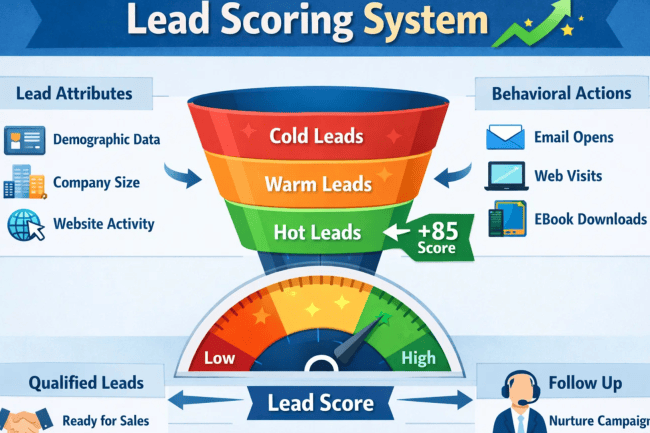
Lead scoring assigns value to prospects based on their likelihood to convert, helping teams prioritize high-intent opportunities.
Now comes the backbone of your framework: lead scoring.
Lead scoring assigns value to each lead based on how likely they are to convert.
Typical scoring factors include:
Demographic Fit
- Matches your target age group
- Located in licensed region
- Suitable income level
Behavioral Signals
- Clicked multiple ads
- Visited key pages (pricing, plans)
- Filled detailed form
- Responded to SMS/email
Intent Signals
- Requested quote
- Booked a call
- Asked about pricing
Effective scoring combines fit + behavior + intent, giving your team a clear way to prioritize outreach.
Step 4: Segment Leads by Readiness
Not all leads should be treated the same.
A strong framework segments leads into categories like:
Hot Leads
- Ready to buy
- Actively comparing plans
- High intent signals
Warm Leads
- Interested but not urgent
- Gathering information
- Needs nurturing
Cold Leads
- Low intent
- Early research stage
- No immediate need
This segmentation prevents one of the biggest mistakes in insurance sales:
Treating every lead like they’re ready to buy.
Step 5: Align Marketing and Sales Teams
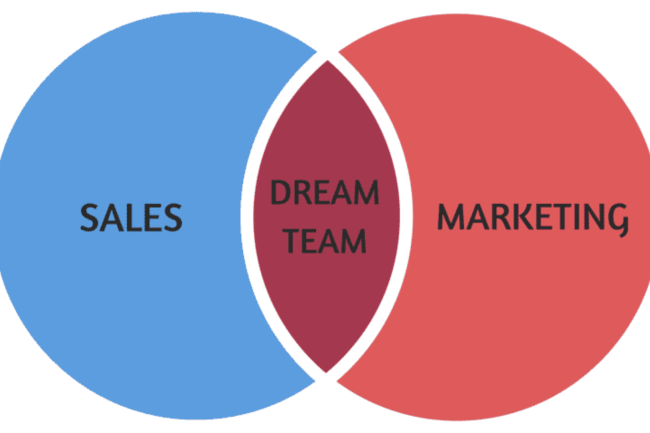
This is where most frameworks break.
Marketing generates leads. Sales complains about quality.
Sound familiar?
That’s not a lead problem. That’s an alignment problem.
A strong qualification framework ensures:
- Marketing knows what a “qualified lead” means
- Sales knows how to handle each lead type
- Both teams agree on scoring criteria
When marketing and sales align on lead definitions and handoff processes, overall conversion efficiency improves significantly.
Step 6: Implement Speed-to-Lead Systems
Research from Harvard Business Review found that companies that respond to leads within an hour are nearly seven times more likely to qualify that lead compared to those that wait longer.
Even the best-qualified lead loses value over time.
In health insurance, timing is everything.
Prospects often reach out to multiple agents simultaneously. The first meaningful response usually wins the conversation.
That’s why your framework must include:
- Instant SMS responses
- Automated email confirmations
- Call routing systems
- CRM alerts for new leads
Speed is not a bonus. It’s a core qualification factor.
A high-intent lead contacted late becomes a low-intent lead.
Step 7: Build a Nurture System for Non-Ready Leads
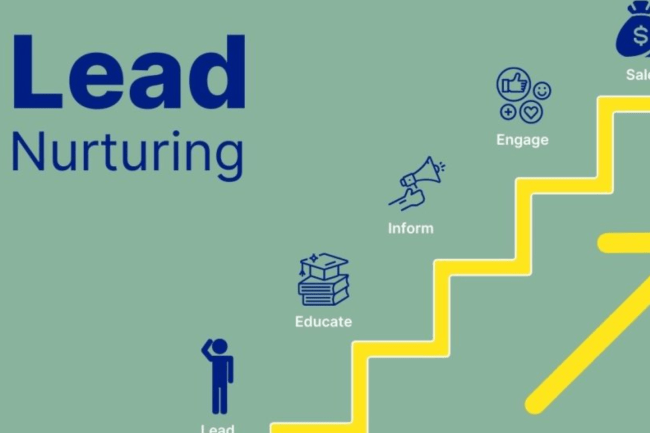
Here’s where most agencies lose money.
They ignore leads that aren’t ready immediately.
But in health insurance, many prospects need time:
- to compare plans
- to understand coverage
- to discuss with family
Healthcare and insurance sales cycles can be long and involve multiple touchpoints before a decision is made.
That’s why your framework must include:
- Email sequences
- Retargeting ads
- Educational content
- Follow-up reminders
Nurturing turns “not now” into “ready later.”
Step 8: Continuously Optimize Your Framework
A lead qualification framework is not static.
It evolves based on:
- campaign performance
- conversion rates
- lead quality feedback
- market changes
The best agencies constantly refine:
- scoring rules
- qualification questions
- targeting strategies
- follow-up timing
Optimization is what turns a good system into a high-performing one.
The Biggest Mistake Agencies Make
Let’s be blunt.
Most agencies don’t have a lead qualification framework.
They have:
- forms
- spreadsheets
- CRM notes
- scattered processes
That’s not a system.
That’s chaos.
And chaos doesn’t scale.
What a High-Performing Qualification System Looks Like
When everything works together, your framework becomes a machine:
- Ads attract the right audience
- Forms filter initial intent
- CRM captures and organizes data
- Scoring prioritizes leads
- Sales engages the right prospects first
- Nurture systems handle the rest
This creates:
- higher conversion rates
- better use of sales time
- lower cost per acquisition
- predictable pipeline growth
Why This Matters More in Health Insurance
Health insurance is not a casual purchase.
It’s complex, personal, and often urgent.
Prospects aren’t browsing for fun. They’re solving real problems—coverage gaps, rising costs, or life changes.
That’s why qualification is so important.
You’re not just filtering leads.
You’re guiding real decisions.
How Flying Goat Agency Approaches Lead Qualification
At Flying Goat Agency, we don’t treat lead qualification as a checkbox.
We treat it as a system.
That means:
- defining high-value audiences
- building structured scoring models
- aligning marketing and sales
- implementing real-time response systems
- creating full-funnel nurturing workflows
The goal isn’t just more leads.
It’s better conversations, faster conversions, and predictable growth.
Final Thoughts
If your team is overwhelmed with leads but struggling to close deals, the issue isn’t volume.
It’s qualification.
A well-built lead qualification framework transforms your pipeline from messy and reactive into structured and predictable.
Instead of chasing every lead, your team focuses on the ones that matter.
And that’s where real growth happens.