
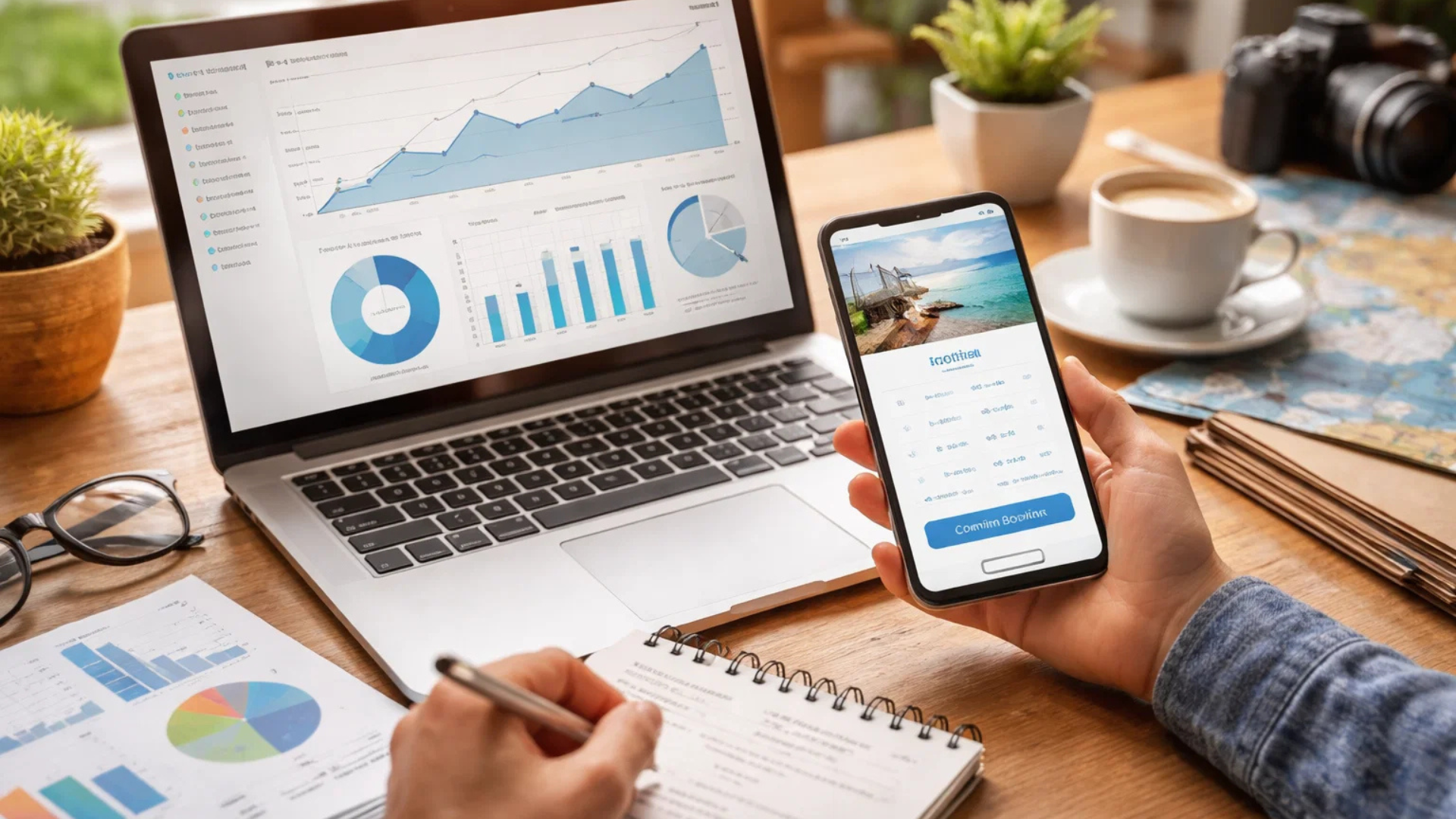
You’ve done everything right, or so it seems. Your hotel’s website is pulling in thousands of visitors every month. Your Google Analytics dashboard looks impressive.
The numbers are climbing. And yet, when you look at your actual booking calendar, something feels off. The rooms aren’t filling up the way the traffic would suggest they should.
Sound familiar? You’re not alone. This is one of the most frustrating and widespread problems in hotel digital marketing today, and most hoteliers don’t even realize where the real issue lies.
The truth is, traffic is just the beginning of the story. What happens after a visitor lands on your website is where bookings are won or lost.
Let’s break down exactly why high traffic doesn’t automatically mean more bookings, and what you can actually do about it.
The Hard Truth About Hotel Website Conversion Rates
Before we dig into the “why,” let’s set the stage with some numbers that might surprise you.
The average hotel website conversion rate, bookings divided by unique monthly visitors, is typically below 2%. That means for every 100 people who visit a hotel website, 98 of them leave without making a booking.
For independent properties, it’s even worse, with conversion rates ranging between just 0.5% and 1.5%.
Studies show that around 98% of hotel website visitors leave without completing a booking. When you step back and look at that figure, it reframes the entire conversation.
The problem isn’t that people aren’t finding your hotel. The problem is that something in their journey, from landing on your site to hitting “confirm booking,” is breaking down.
At Flying Goat Agency, we see this pattern constantly with hospitality clients. More traffic feels like progress. But without conversion infrastructure in place, you’re essentially filling a bucket with a hole in the bottom.
Reason #1: You’re Attracting the Wrong Kind of Traffic

Not all website visitors are created equal. A person who stumbles onto your site after searching “best hotels in Miami” is in a very different mindset from someone who searched “book boutique hotel South Beach with ocean view this weekend.”
High traffic is meaningless if the visitors aren’t potential guests. This is where a data-driven hotel marketing strategy becomes crucial to ensure incoming traffic is truly ready to buy.
High-intent sources like Google Hotel Ads convert at 4.17%, Facebook Display at 3.21%, and TripAdvisor metasearch at 2.34%, all significantly stronger than general organic search at 1.55% or blog traffic at just 0.2%.
This is a critical insight. If most of your traffic is coming from broad, top-of-funnel content, you’re attracting browsers, not bookers. What you need is a strategy that targets people with booking intent, and that requires a much more deliberate approach to both SEO and paid media than most hotels currently use.
Reason #2: Your Website Is a Brochure, Not a Booking Engine
Here’s a hard pill to swallow: most hotel websites are built to look good, not to convert. Beautiful photography, flowery descriptions of your amenities, an “About Us” page with the hotel’s history, none of that closes a booking.
A visually appealing website doesn’t guarantee bookings. Many hotel websites focus too much on aesthetics and ignore functionality. Guests don’t just browse, they want to take action quickly.
In the concept of hotel e-commerce, a website is not just a storefront, but a transaction engine. Without conversion optimization, high traffic will only be a report number, not revenue.
Think about that for a moment. Your website needs to sell actively. It needs clear calls-to-action, immediate pricing transparency, real-time availability, and a booking path that feels effortless.
If a guest has to click through four pages and fill out a complicated form just to see what a room costs on their dates, they’re gone.
Reason #3: Friction in the Booking Process Is Killing Your Conversions
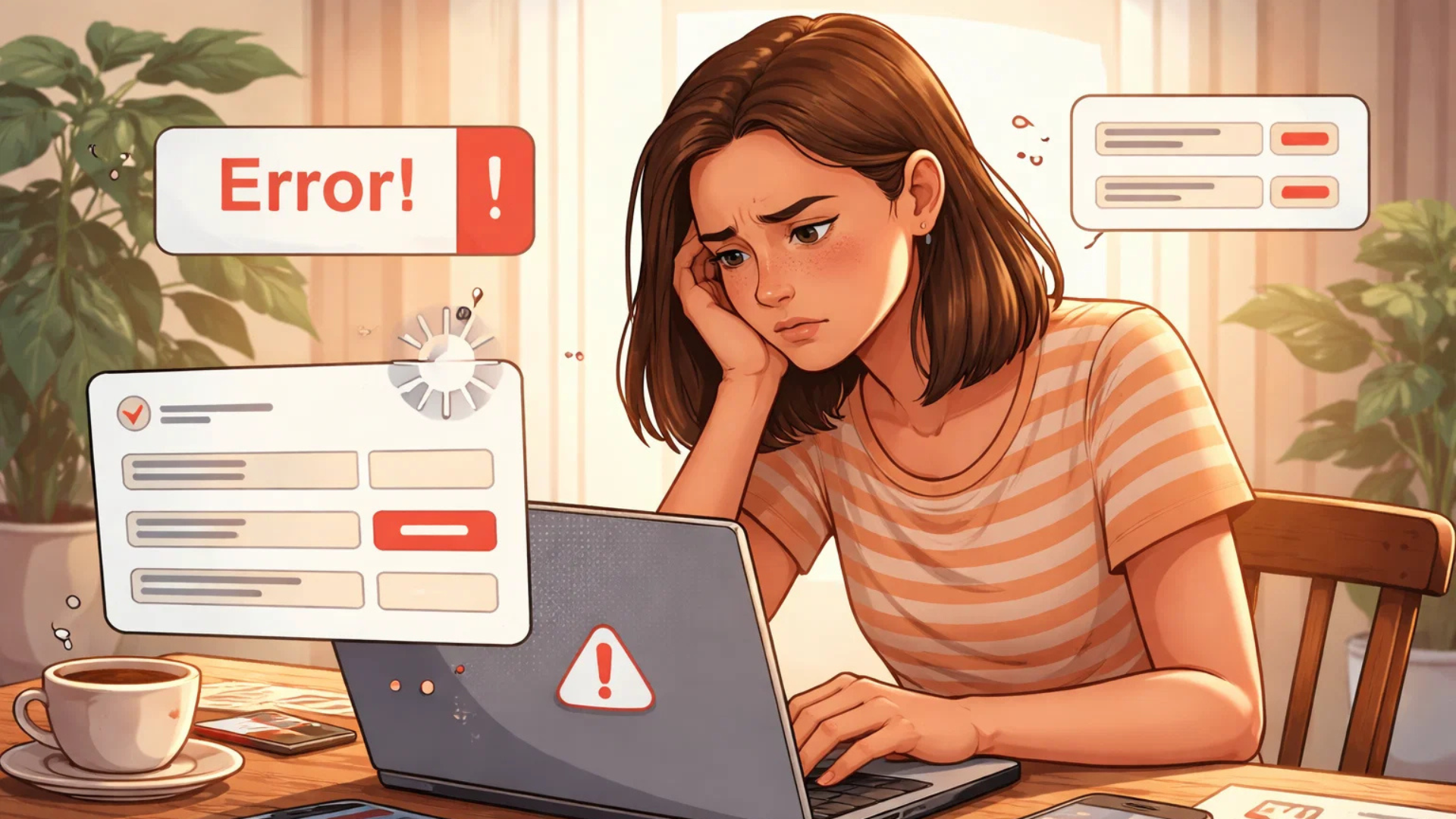
Every extra click, every unnecessary form field, every slow-loading page, they all chip away at your conversion rate. The modern traveler has zero patience for a clunky booking experience.
Every additional step in your booking process reduces conversion rates. Long forms, unnecessary fields, and confusing layouts frustrate users.
Modern travelers expect a frictionless experience. If booking takes more than a few clicks, they will abandon your site and move elsewhere.
This is something we at Flying Goat Agency pay close attention to when auditing a hotel’s digital presence. We call it “silent drop-off” visitors who were genuinely interested in booking but hit a wall somewhere in the funnel and quietly left.
You never see it in your traffic reports because they came and went without triggering any conversion event. But it’s costing you real revenue every single day.
A cumbersome booking engine and poor user experience can lead to drop-off right when a user is ready to convert. A simple booking engine — the fewer steps the better, combined with secure payment processing, is essential.
Reason #4: Your Site Isn’t Optimized for Mobile
If you haven’t seriously audited your hotel website on a mobile device lately, stop reading this and go do it right now.
Each year, more than 100 million people book hotels online, and according to 2024 travel data, 80% of travelers worldwide prefer to book trips online. The online travel market is expected to increase to $1.2 trillion by 2027.
A massive share of that is happening on phones. Half of all hospitality bookings are made from smartphones or tablets, and that percentage continues to grow.
If your booking process isn’t perfectly smooth on mobile large buttons, simplified forms, fast load times, one-thumb navigation, you are actively leaking potential guests. Google now prioritizes mobile-first indexing, meaning the mobile version of your site determines rankings.
Since most travelers research and book on mobile, poor mobile UX can dramatically affect both SEO and revenue.
This is non-negotiable in 2025. A desktop-first website is a revenue killer.
Reason #5: You’re Missing Trust Signals at the Critical Moment

Imagine a guest who found your hotel, likes the look of it, is ready to put in their credit card, and then hesitates. Why? Because they’re not quite sure they trust the site. No visible reviews. No security badges. No “best rate guarantee.” Nothing to reassure them that booking directly is the smart move.
Missing trust signals, reviews, ratings, secure booking messages, or “book direct” benefits leave hesitant bookers without the reassurance they need to complete a reservation.
Integrating guest testimonials and ratings into your website design helps build trust and credibility for potential guests. The best hotel sites include third-party widgets from TripAdvisor and Google reviews, inviting visitors to see guest satisfaction for themselves.
At Flying Goat Agency, we’ve seen firsthand how adding the right trust elements at the right point in the booking funnel can meaningfully shift conversion rates. It’s not about redesigning your entire site; it’s about placing confidence builders exactly where doubt tends to creep in.
Reason #6: You’re Competing Against OTAs On Their Terms
Here’s one more conversion killer that often goes unnoticed. Many hotels inadvertently send their own website traffic straight to Booking.com or Expedia by offering the same (or worse) rates on their direct site.
One fatal mistake in hotel marketing strategies is offering direct booking prices that are the same or more expensive than OTAs. From a hotel ecommerce perspective, the website must offer more value: not just a cheaper price, but a more compelling overall offer.
OTAs invest millions in their own conversion optimization. OTAs convert better in the short term because users already trust them.
However, direct bookings give you full control over the user journey, allowing you to optimize every step for better conversions over time.
The key is giving guests a genuine reason to book directly, whether that’s a room upgrade, flexible cancellation, early check-in, or simply a price match guarantee. Make the direct booking feel like the smarter, more rewarding choice.
Stop Chasing Traffic. Start Engineering Conversions.
Traffic is a vanity metric if it doesn’t lead to revenue. The hotels that win in today’s digital landscape aren’t necessarily the ones with the most visitors; they’re the ones who have built a system that turns visitors into guests consistently and predictably.
At Flying Goat Agency, we specialize in exactly this. We don’t just drive traffic. We build the full marketing machine from targeted ad campaigns and high-converting landing pages to CRM automation and lead generation systems that make sure no potential guest slips through the cracks. We understand the hospitality space, and we know that the gap between “lots of visitors” and “a fully booked property” is almost always a conversion problem, not a traffic problem.
If your hotel’s website is getting traffic but not getting bookings, that’s not a mystery. It’s a fixable system problem. And fixing it could be the most profitable thing you do this year.
Ready to stop leaving bookings on the table? Let’s talk.