
Walk into a great restaurant or bar in Tampa, and you feel it immediately. The way the host greets you. The language the server uses when describing the menu. The tone of the Instagram caption that made you book the table in the first place.
Every great hospitality brand has a voice, and that voice is one of the most powerful competitive advantages a food and beverage business can build.
Now imagine that voice being answered by something that sounds like it was generated by a generic AI prompt. Cold. Transactional. Oddly formal. Robotic enough to make a guest feel like they dialed the wrong number.
This is the single biggest fear Tampa restaurant and bar owners have when they first hear about AI employees. Not whether the technology works. But whether it will sound like them.
The answer is yes, it absolutely can. But only if it is set up and trained correctly. And that process is more straightforward than most business owners realize once you understand the framework behind it.
Why Brand Voice Matters More in Hospitality Than Almost Any Other Industry

In most industries, a slightly generic response is mildly annoying. In hospitality, it is a brand experience failure.
Your restaurant’s voice is more than just words. It is the warm greeting that makes a first-time caller feel welcome, the confident tone that reassures a nervous diner about allergen protocols, and the professional cadence that reflects your establishment’s personality.
60% of customers now have higher expectations for customer service than they did just a year ago. AI-powered solutions are transforming how restaurants interact with their customers, but the technology only enhances the experience when it genuinely reflects the brand behind it.
The hospitality industry runs on feeling. A guest does not just choose a restaurant because the food is good.
They choose it because of how the entire experience makes them feel, from the moment they first interact with the brand online or over the phone, through to the moment they leave the dining room. An AI employee that sounds mismatched with your brand disrupts that feeling at the first touchpoint, before a guest has even sat down.
Restaurants are fielding between 800 and 1,000 calls per month, with many being basic inquiries that could be handled by AI. The challenge is maintaining consistent, on-brand communication while managing operational efficiency at that volume.
This is exactly why getting the training right is not optional. At that volume of customer interactions, even a slightly off-brand AI response is happening hundreds of times per month.
Step One: Define Your Brand Voice Before You Touch Any AI Settings

The most common mistake Tampa restaurant and bar owners make when deploying an AI employee is jumping straight into the technical setup without first articulating what their brand voice actually is.
You cannot train an AI to sound like your brand if you have never defined what your brand sounds like. This sounds obvious. It is far less obvious in practice.
Start by answering these four questions in writing. What are three adjectives that describe how your brand speaks? Examples might be warm and casual, bold and playful, refined and confident, or neighbourly and unpretentious. What words and phrases do your best team members naturally use when greeting guests? What would your brand never say?
List the language and tone that would feel completely wrong. And finally, who is your ideal guest and what do they expect to feel when they interact with your business?
A guest-centric perspective throughout the process, regularly gathering feedback from actual users to refine the experience, is what separates AI deployments that enhance brand perception from ones that damage it.
Once you have those four answers written down, you have the foundation of your AI training document. Everything else builds from this.
Step Two: Build Your AI Training Document With Real Examples
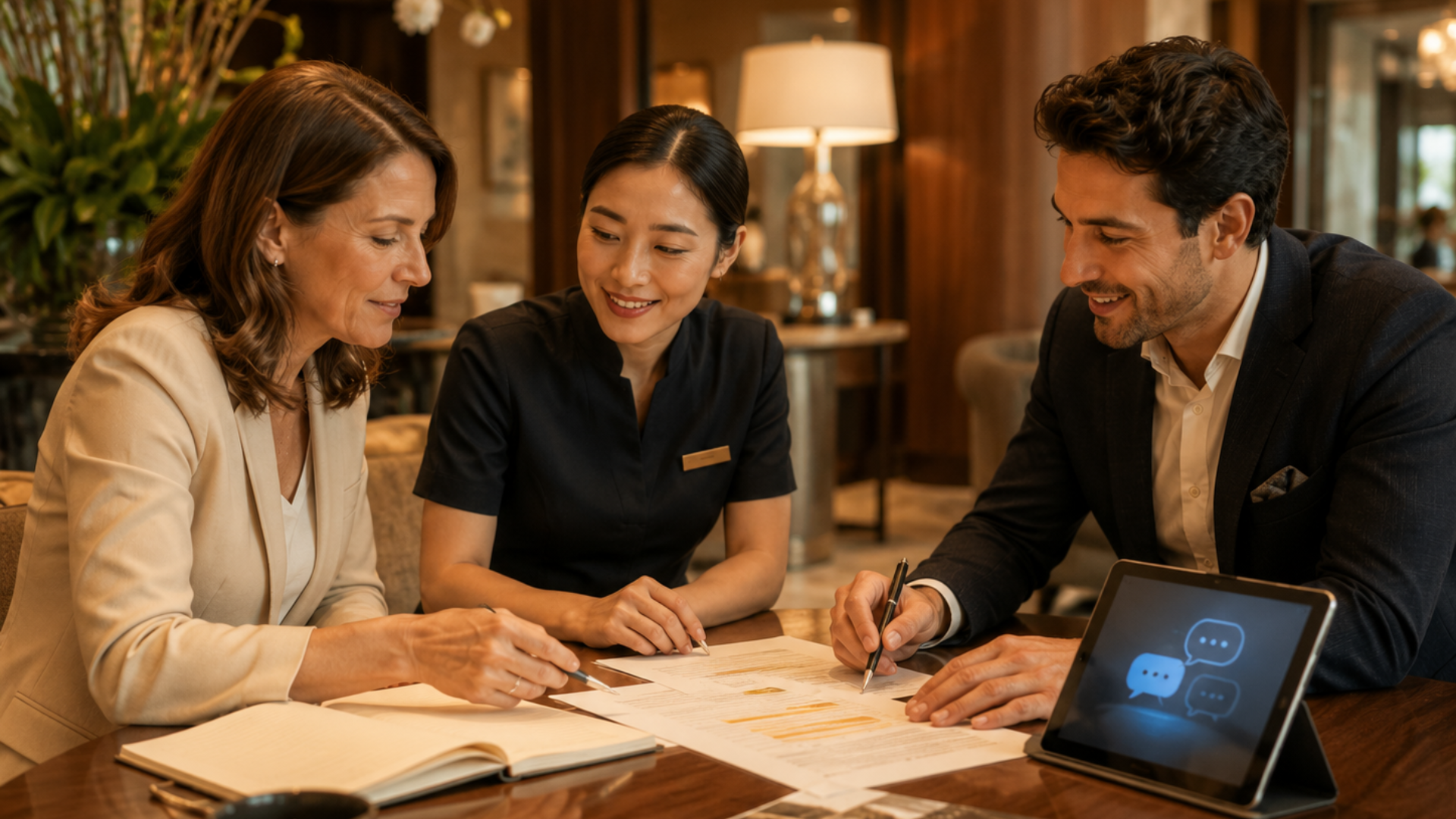
The most powerful thing you can give an AI employee is not a list of rules. It is examples of what good sounds like in your specific context.
Pull real content from your business that already reflects your brand voice at its best. This might include your most successful Instagram captions, your best email subject lines, the exact greeting your best host uses when someone walks in, your menu descriptions, and any customer messages you have written that felt perfectly on-brand when you sent them.
When properly implemented with appropriate voice customization and brand personality matching, customers often have positive experiences with AI phone hosts. The key is ensuring the AI can handle complex inquiries naturally, provide accurate information about menu items and availability, and seamlessly escalate to human staff when needed, creating a smooth and professional interaction.
Combine your examples with explicit instructions. Write out phrases the AI should use regularly, phrases it should avoid entirely, the maximum length of a typical response, whether it uses humor, and if so, what kind, and how it handles uncertainty, does it acknowledge it warmly, or does it redirect confidently?
For a Tampa craft cocktail bar with a playful, neighborhood personality, your training document might instruct the AI to open every call with the host’s name and a warm, casual greeting, use relaxed conversational language rather than formal hospitality speak, mention specials with genuine enthusiasm rather than scripted promotion, and always invite the caller to ask more questions rather than ending interactions abruptly.
For a fine dining restaurant in Hyde Park, the same document would look completely different. More formal. More precise. More focused on communicating expertise and reassurance. The AI is the same technology. The training is everything.
Step Three: Configure the Right Escalation Rules to Protect the Guest Experience

Even the best-trained AI employee will encounter situations that require a human. Getting escalation right is one of the most important parts of brand-aligned AI deployment in hospitality, because how the AI handles the moment of handoff says as much about your brand as the rest of the interaction.
In just a couple of years, there will hardly be any business that has not deployed an AI employee.
Recent benchmarking of AI models shows that 73% now pass the Turing Test, demonstrating human-like behavior in conversations. This evolution toward personalities, emotions, and identity means restaurant AI can now deliver genuinely hospitable experiences.
But the most sophisticated AI still needs clear rules about when to hand off. For a Tampa restaurant, those escalation triggers typically include complaints about a specific dining experience, requests for unusual or complex accommodations, allergy inquiries that require specific kitchen knowledge, large group bookings that need direct manager involvement, and any caller who expresses frustration or emotional distress.
Staff roles evolve rather than disappear, with new positions emerging around AI supervision, exceptional experience design, and complex problem resolution. Properties that communicate this philosophy clearly see better outcomes from both their AI deployment and their human team.
The escalation message itself should also be on-brand. A warm handoff that says something like “Let me connect you with our team who can give you the best answer on that” lands completely differently from a cold “This question requires human assistance.” Train the transition, not just the conversation.
Step Four: Test the AI Experience Like a Guest, Not Like a Technology Manager
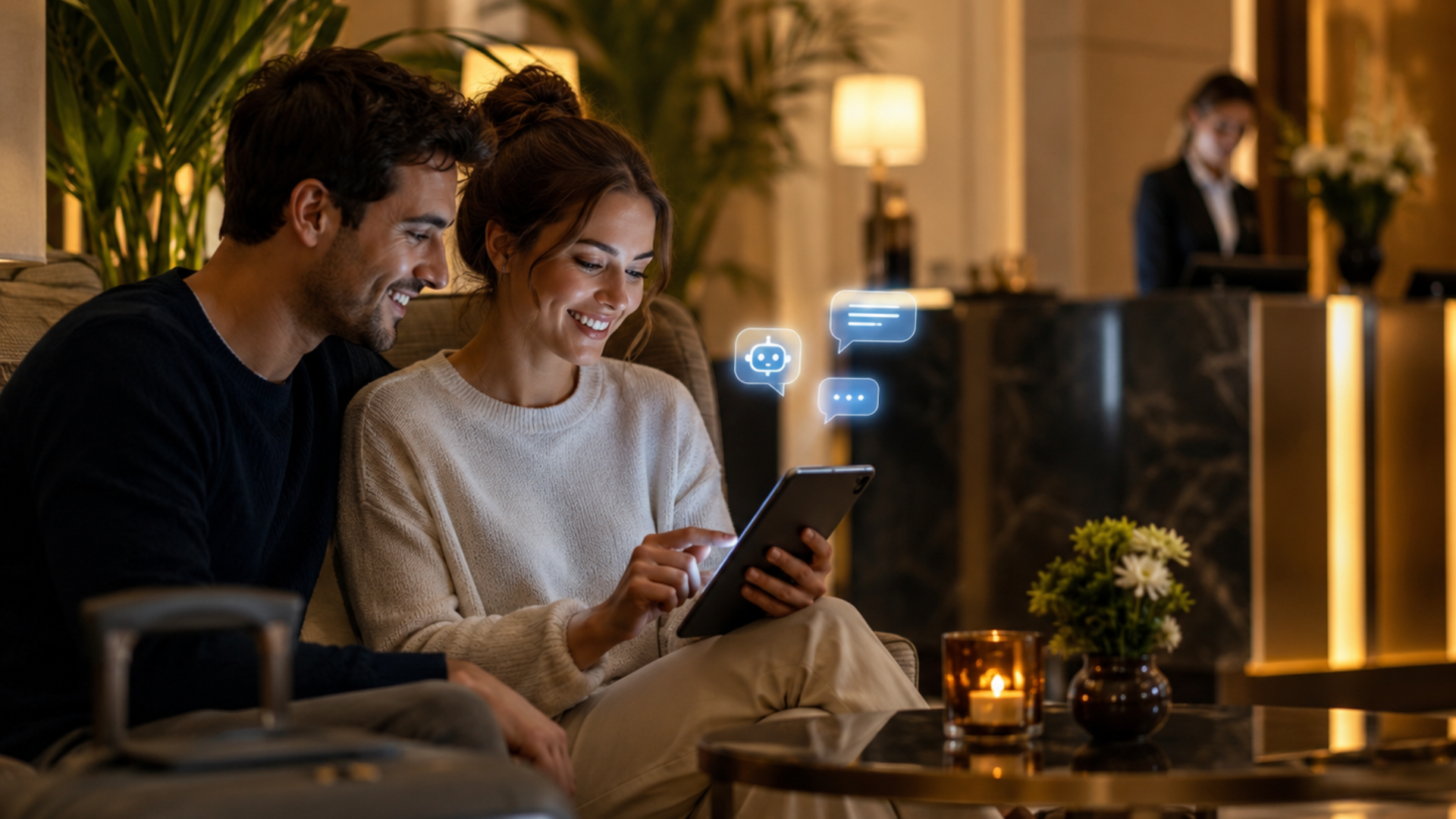
Once your AI employee is configured, the most important thing you can do before going live is test it as a guest would experience it, not as the business owner who set it up.
Call your own number at different times of day. Ask about your menu. Make a reservation inquiry. Ask an unusual question. Be a slightly confused caller. Be a caller in a hurry. Be a caller who is considering a special occasion booking and has a lot of questions.
Restaurants should evaluate integration capabilities with existing reservation and POS systems, voice customization options, and training requirements. The AI system should handle multiple communication channels, including calls, texts, and emails, and provide real-time management of bookings and orders.
Note every moment where the response felt slightly off, too formal, too casual, too generic, too slow, or too abrupt. Bring those notes back to your training document and refine. Then test again. The gap between a good AI employee and a great one is almost always in the iteration after the first deployment, not in the initial setup.
Gathering feedback from actual users to refine the experience is essential. The implementation process is not a one-time event. It is an ongoing refinement that responds to real guest behavior and evolving business needs.
Step Five: Keep Your AI Employee Updated as Your Brand Evolves
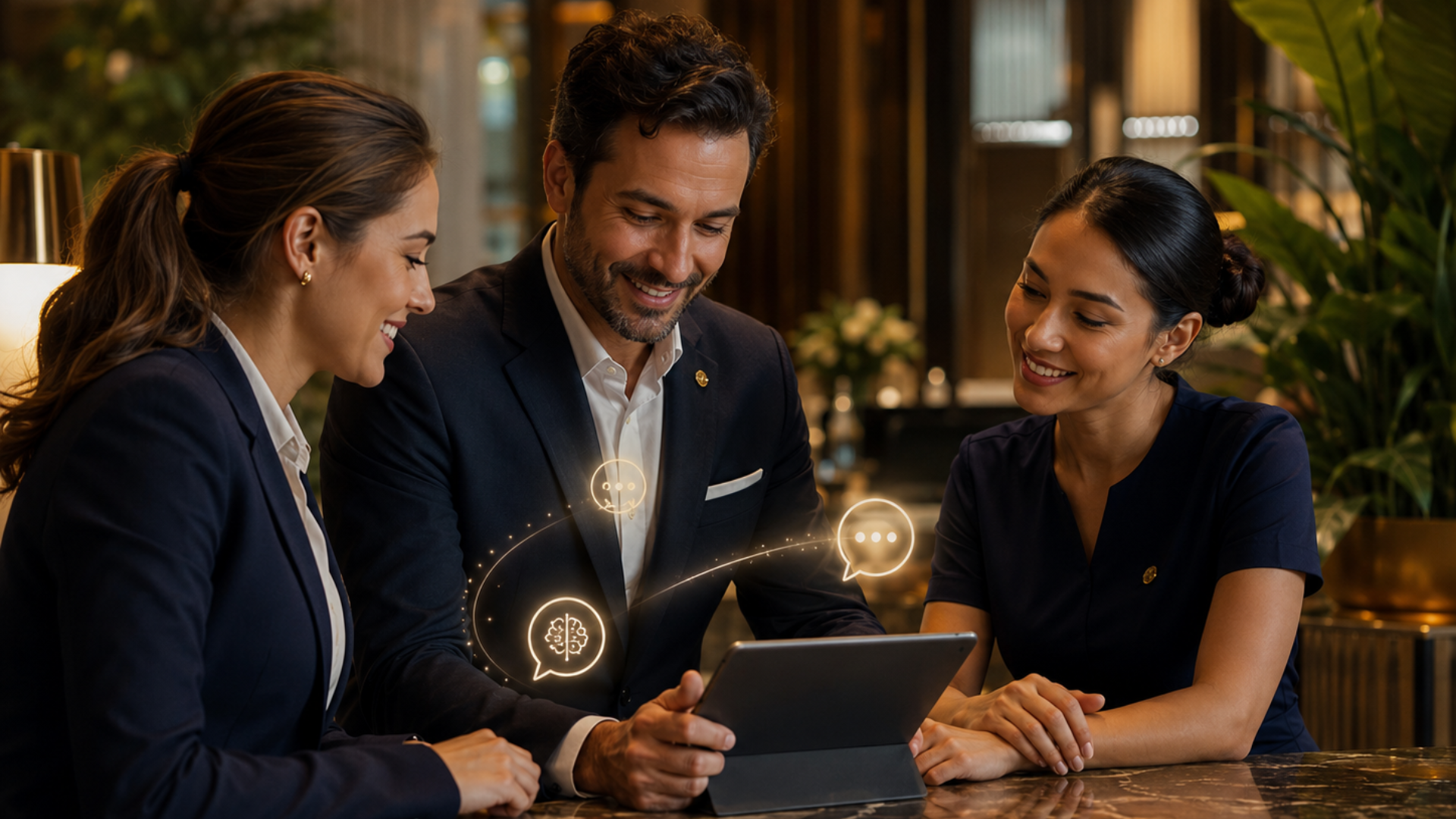
A seasonal menu launch, a new concept for Friday nights, a change in your booking policy, a new happy hour structure. Hospitality brands evolve constantly. Your AI employee’s training needs to evolve with them.
Voice AI reservation systems, including platforms that integrate with OpenTable, can book, modify, confirm, and cancel reservations using natural language conversations, with updates reflected in real time. This removes the need for restaurants to reconcile separate systems or manually re-enter bookings captured by AI.
Build a habit of updating your AI training document every time something significant changes in the business. New menu drops. New hours. New promotions. New policies. An AI employee that is still confidently telling guests about a promotion that ended two months ago is doing brand damage every single time.
Flying Goat Agency Builds Brand-Aligned AI Employees for Tampa Hospitality Businesses
At Flying Goat Agency, we do not hand Tampa restaurant and bar owners an AI tool and a tutorial.
We build the entire system, from the brand voice training document and the conversation scripts through to the CRM integration and the escalation protocols, and we test it thoroughly before it ever answers a real guest call.
We connect your AI employee directly to your lead generation and marketing campaigns so that every potential guest your advertising brings in is met with a consistent, on-brand experience from the very first interaction.
Whether they call at 2 PM on a Wednesday or 10 PM on a Saturday, they experience your brand the way you intended it.
Your hospitality brand has a personality. Your AI employee should reflect it perfectly. Let us build that for you.