Digital marketing in health insurance is not just evolving, it’s being rebuilt from the ground up.
For years, agencies relied on a familiar formula: run ads, generate leads, and push those leads into sales conversations. It worked well enough in a less crowded, less complex environment. But beyond 2026, that approach is losing effectiveness.
Today’s insurance buyers are more informed, more skeptical, and more fragmented in how they make decisions. They don’t move in a straight line anymore. They explore, compare, pause, return, and only then decide.
This shift is forcing agencies to rethink everything.
The future of health insurance digital marketing is no longer about isolated campaigns. It’s about building intelligent, connected systems that guide prospects from first touch to final decision.
Campaigns Are Fading. Systems Are Taking Over.
A marketing funnel represents the customer journey from initial brand awareness to final purchase decision, which is exactly why system-based marketing outperforms isolated campaigns.
The biggest shift happening right now is subtle but powerful.
Marketing is moving away from campaign-based thinking toward system-based execution.
A campaign has a beginning and an end. It runs for a period of time, generates traffic, and then stops. A system, on the other hand, is continuous.
It doesn’t depend on short bursts of activity. It creates a steady flow of attention, engagement, and conversions.
This matters because insurance buyers don’t operate on campaign timelines. Someone might click your ad today, research for weeks, and only convert a month later.
If your marketing disappears in between, so does your opportunity.
The agencies that win beyond 2026 are not the ones running more ads. They are the ones building systems that stay present throughout the entire decision journey.
AI Is Changing How People Discover Insurance

Search behavior is changing faster than most agencies realize.
Instead of browsing through multiple websites, users are increasingly relying on AI-powered answers. Whether it’s Google’s AI-generated results or conversational tools, the way people discover information is becoming more direct and more curated.
This has a major implication for insurance marketing.
Visibility is no longer just about ranking on search engines. It’s about becoming a trusted source that AI systems recognize and reference. That means content needs to be clearer, more authoritative, and structured in a way that answers real questions.
In simple terms, the goal is shifting from “getting clicks” to “being the answer.”
Agencies that understand this shift early will gain a massive advantage in how they attract attention.
Personalization Is No Longer a Competitive Edge
McKinsey notes that AI-powered solutions can enable consumer engagement and personalization at an unprecedented scale, which is why generic health insurance marketing will keep losing effectiveness.
There was a time when personalization felt advanced. Now, it’s expected.
Modern consumers don’t respond to generic messaging anymore. They expect communication that feels relevant to their situation, whether it’s their employment type, family needs, or financial priorities.
In health insurance, this expectation is even stronger because the product itself is personal.
A self-employed individual is not looking for the same solution as a family with children. A young professional has different concerns than someone nearing retirement. When messaging ignores these differences, it gets ignored in return.
Beyond 2026, personalization will not be a feature; it will be the foundation of effective marketing. The agencies that treat every lead the same will struggle to hold attention, let alone convert it.
The Buyer Journey Is Becoming Truly Omnichannel
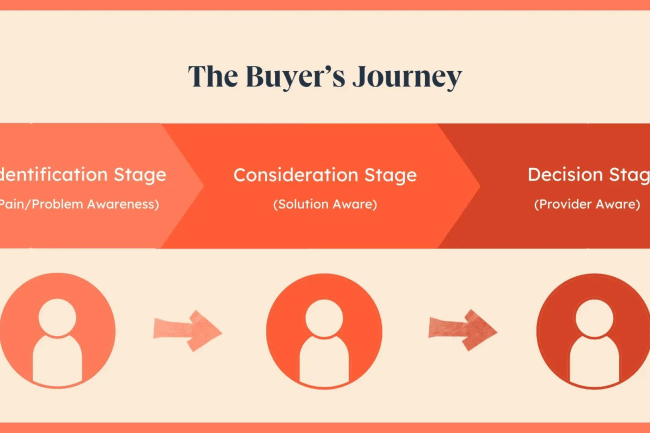
One of the biggest mistakes agencies still make is thinking in channels instead of journeys.
A prospect might first encounter your brand through a social media post. Later, they might search for insurance options on Google.
After that, they could visit your website, read content, and then come back through a retargeting ad.
To the user, this feels like one continuous experience.
To many agencies, it still feels like separate campaigns.
This disconnect creates friction. Messaging becomes inconsistent. Tracking becomes fragmented. Opportunities slip through unnoticed.
The future belongs to agencies that can create a seamless experience across all touchpoints. When every interaction feels connected, prospects move forward with more confidence.
Trust Is Becoming the Core of Conversion
Health insurance has always required trust, but its importance is growing.
People are more cautious about where they share their information. They are more aware of aggressive marketing tactics. And they are more likely to disengage if something feels unclear or rushed.
This is why educational content is becoming more powerful than promotional content.
When agencies focus on explaining options, simplifying decisions, and providing clarity, they position themselves as advisors rather than sellers. That shift changes how prospects perceive the entire experience.
Trust doesn’t happen in a single moment. It builds over time, through consistent and helpful interactions.
The agencies that understand this will see higher conversion rates, not because they push harder, but because they guide better.
Data Ownership Is Becoming a Strategic Advantage
Another major shift shaping the future is the move toward first-party data.
With increasing privacy regulations and the decline of third-party tracking, agencies can no longer rely on external platforms to provide all their insights. Instead, they must build systems that capture and use their own data effectively.
This includes understanding how users interact with content, how they move through the funnel, and how long it takes them to convert.
When agencies own this data, they gain clarity. They can see what’s working, what’s not, and where improvements are needed.
Without it, they are guessing.
And guessing doesn’t scale.
Success Will Be Measured Differently
For a long time, marketing performance was measured by surface-level metrics like clicks and leads.
Those metrics are becoming less meaningful.
A high number of leads doesn’t guarantee revenue. In fact, it often creates the illusion of success while hiding deeper issues in the funnel.
The future is moving toward full-funnel visibility.
Agencies will focus more on:
- how many leads actually convert
- how quickly conversations happen
- how qualified those leads are
- how much revenue is generated per lead
This shift forces a more honest evaluation of performance.
It also rewards agencies that build systems instead of chasing vanity metrics.
Automation and AI Will Enhance, Not Replace, Strategy

AI is becoming deeply integrated into marketing processes.
From lead scoring to follow-ups, many repetitive tasks are being automated. Campaigns are being optimized in real time. Messaging is being adjusted based on user behavior.
But there’s a misconception that AI will replace human strategy.
It won’t.
AI improves efficiency. It accelerates execution. But it still needs direction.
The agencies that succeed will be the ones that combine strong strategic thinking with intelligent automation. They won’t rely on tools alone; they will use them to amplify well-designed systems.
The Agencies That Win Will Think Differently
Beyond 2026, the gap between average agencies and high-performing ones will widen.
The difference will not be the budget.
It will be an approach.
Average agencies will continue to focus on individual tactics, running ads, tweaking creatives, adjusting bids.
Top agencies will focus on systems, how every piece connects, how every stage performs, and how the entire journey flows.
That difference changes everything.
Because when the system works, growth becomes predictable.
What This Means for Your Agency
If you’re still relying on isolated campaigns, you’re already behind the curve.
That doesn’t mean everything needs to change overnight. But it does mean your focus needs to shift.
Instead of asking, “How do we get more leads?”
The better question is, “How do we build a system that consistently converts them?”
That shift in thinking is what separates short-term wins from long-term growth.
How Flying Goat Agency Is Built for What’s Next
At Flying Goat Agency, the focus has never been just on running campaigns.
It has always been about building systems.
That means designing full-funnel strategies where:
- the right audience is attracted
- the experience feels seamless
- the messaging builds trust
- the follow-up is structured
- the data drives decisions
This approach doesn’t just improve performance.
It creates stability.
And in a market that is becoming more competitive and more complex, stability is what allows agencies to scale.
Final Thoughts
The future of health insurance digital marketing is not about doing more.
It’s about doing things differently.
It’s about moving from campaigns to systems, from assumptions to data, and from transactions to trust.
The agencies that adapt to this shift will not only survive, but they will also lead.
Because in the years ahead, success won’t belong to those who chase attention.
It will belong to those who know how to turn that attention into consistent, predictable growth.