

Health insurance marketing is a challenging field, where complex decision‑making processes, regulatory constraints, and diverse customer needs make it crucial to track the right data. While agencies may offer flashy dashboards and sophisticated reports, many overlook critical data points that could optimize performance.
If you’re in health insurance marketing, it’s time to look beyond the surface and uncover the blind spots that most agencies ignore. Understanding these gaps can help you create more accurate campaigns, better lead generation strategies, and ultimately, higher conversion rates.
Surface-Level Metrics That Don’t Tell the Full Story
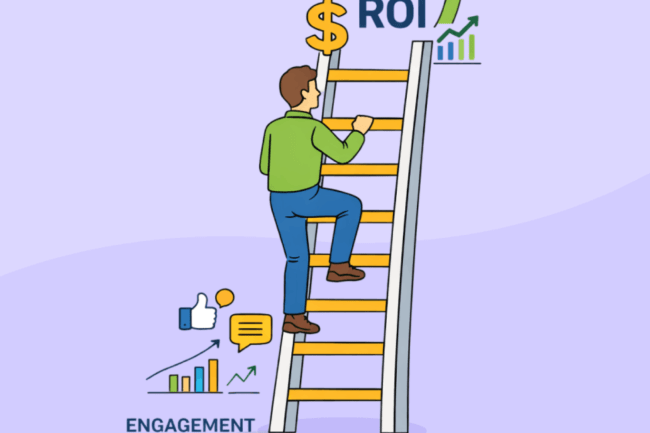
Most marketing campaigns track standard KPIs like click-through-rate (CTR), cost per lead (CPL), and impressions. But these metrics can be misleading. A high CTR or a low CPL doesn’t guarantee high-quality leads or conversions.
The real issue lies in the context behind the data. For example, while a click may indicate initial interest, it doesn’t show you whether the lead is a good fit for your product or whether they are likely to convert into a paying customer.
Instead of only tracking surface-level metrics, you need to focus on:
- Lead quality: How relevant is the lead to your ideal customer profile?
- Lead intent: Does the lead demonstrate a clear interest in purchasing health insurance or just browsing?
- Conversion potential: How likely is this lead to move through the funnel and become a customer?
Missing Multi-Touch Attribution
Health insurance purchases rarely happen after a single touchpoint. Consumers often interact with multiple channels before making a decision, which is why multi-touch attribution is vital for understanding the complete customer journey.
Yet, many agencies still rely on last-click attribution, which only credits the final action taken by the user before they convert. This approach can significantly distort the data and mislead you about which channels are driving actual conversions.
By adopting a multi-touch attribution model, you can:
- Identify the real path customers take before conversion.
- Understand the role each touchpoint (e.g., social ads, search engine traffic, email campaigns) plays in the purchase decision.
- Optimize your marketing budget allocation to focus on the most effective channels.
Ignoring Behavioral Data in Lead Qualification

MarketingProfs explains that behavioral data is critical for refining lead scoring models, ensuring that sales teams focus on the highest-value prospects
Not all leads are created equal. In health insurance marketing, understanding behavioral signals is just as important as collecting demographic information. Many agencies treat all leads the same once they come through the door, but the truth is that leads who engage more deeply with your content are much more likely to convert.
Incorporating behavioral data into your lead qualification process helps you prioritize leads that are most likely to purchase. This includes:
- Engagement metrics: How often and in what way does the lead interact with your content?
- Lead nurturing signals: Does the lead respond to follow-up emails or content?
- Past behavior: Has the lead interacted with multiple pages or shown interest in specific health plans?
By using behavioral data to score leads, you can focus your sales efforts on prospects who are most likely to convert.
Not Tracking Quality Over Time
Once a lead is captured, it’s easy to forget about them until they make a purchase. But in health insurance, customer retention and lifetime value matter as much as lead generation.
Too many agencies fall into the trap of short-term thinking, tracking only immediate conversions and ignoring the long-term value of a customer. Tracking metrics like customer lifetime value (CLV) and policy renewals can give you a much clearer picture of your marketing ROI.
To ensure you’re getting true value from your marketing efforts, you should track:
- Post-conversion behavior: Do leads stay engaged with your content after they convert?
- Renewal rates: How many of your customers renew their policies each year?
- Upsell potential: Are there opportunities to offer additional plans or services to existing customers?
Tracking these metrics will allow you to better understand which channels are bringing in not just leads, but long-term revenue.
Funnel Leakage You Can’t See

Even the most well-designed health insurance marketing funnels can leak if not properly optimized. Many agencies focus on generating leads but fail to monitor the entire process from first contact to conversion, missing opportunities for improvement.
Funnel leakage can occur at various points:
- Slow follow-up: Leads who don’t get a response within the first few hours may lose interest.
- Disconnected systems: CRM and marketing systems that don’t sync properly can lead to lost leads and missed opportunities.
- Untracked interactions: Without tracking phone calls, emails, and text messages, it’s easy to lose sight of where leads are dropping off.
By identifying and fixing these leaks, you can optimize your funnel and increase conversion rates.
Data Silos Between Marketing and Sales
The divide between marketing and sales teams often creates confusion and inefficiencies. Without a unified data system, marketers and salespeople may have different perspectives on what’s working and what isn’t.
Many agencies fail to integrate their marketing data with sales data, which leads to misalignment between the two teams. To fix this, ensure that both teams are working from the same data set.
By tracking lead status, qualification, and the journey to conversion, you can provide sales teams with the information they need to close deals.
When marketing and sales teams work from a single source of truth, you’ll have a much clearer view of what’s driving revenue and what needs improvement.
Failing to Systemize Lead Nurturing
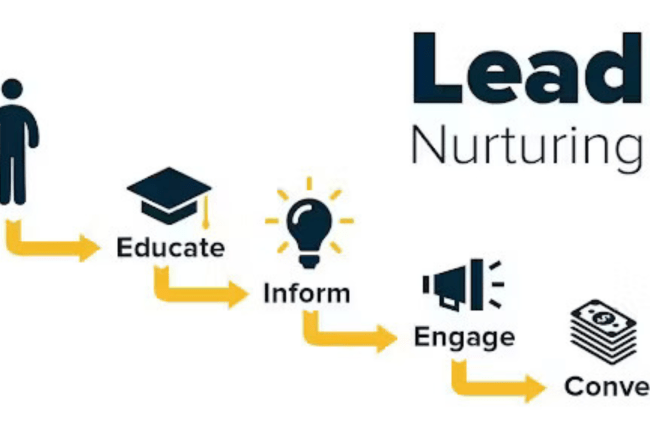
Most prospects in health insurance need time to make a decision. Health insurance is a complex product, and most leads won’t buy on their first visit to your site or after their first ad click.
Yet, many agencies abandon leads once they’ve filled out a form.
Lead nurturing is the key to converting these prospects into paying customers. Without it, you’re missing out on significant opportunities.
To build an effective nurturing system, use:
- Email sequences: Send personalized, value-driven emails based on user behavior and interests.
- Retargeting ads: Re-engage users who have visited your site but haven’t converted.
- SMS reminders: Send timely reminders for application deadlines or important policy details.
A properly systematized nurturing process will keep your brand top-of-mind and help guide prospects toward conversion.
Not Adapting to Changing Intent Signals
Consumer intent is always evolving. As prospects move through different stages of their journey, their needs and behaviors change. Agencies often fail to adapt to these changing signals, continuing to target leads with the same messaging even as their needs shift.
By tracking and adapting to changing intent signals, you can tailor your approach and messaging to each lead’s current position in the funnel. This means more relevant ads, more timely follow-ups, and more targeted content.
Adjust your campaigns based on real-time data, including:
- Search query patterns: Has a lead shifted from informational searches to transactional searches?
- Behavioral changes: Are leads engaging more with content around specific plans or coverage options?
This approach allows you to respond to intent changes quickly and effectively, ensuring that you’re always in sync with what the customer wants.
Final Thoughts
Health insurance marketing requires more than just data; it requires actionable insights. By identifying and addressing these blind spots, you can build a system that’s not only more efficient but also more effective.
The key to success lies in tracking the right metrics, eliminating funnel leaks, integrating sales and marketing data, and building nurturing systems that follow leads until they convert.
Once you move beyond the surface and uncover the hidden insights in your data, you’ll be able to craft campaigns that convert, nurture leads intelligently, and deliver long-term ROI.
Take control of your data, and watch your health insurance marketing efforts reach new heights.